There’s something almost magical about the aroma of garlic bread wafting through the kitchen. That irresistible combination of butter, garlic, and toasted bread has been winning hearts for generations, and I’ve spent years perfecting my techniques. Whether you’re serving it alongside pasta, as an appetizer, or just as a comforting snack, great garlic bread elevates any meal to memorable status.
The History Behind the Magic
Before diving into recipes, I love reflecting on the humble origins of this beloved side dish. Contrary to popular belief, garlic bread as we know it today isn’t traditionally Italian. While Italy gave us bruschetta (grilled bread rubbed with garlic and topped with olive oil), the buttery, garlic-laden bread we adore emerged in Italian-American communities during the mid-20th century.
The dish represents cultural fusion at its tastiest – taking Old World ingredients and transforming them to suit New World palates. When Italian immigrants arrived in America, they adapted their culinary traditions using locally available ingredients. Butter was more common than olive oil in America, and the combination with garlic created a new classic that would become a staple in Italian-American restaurants.
Essential Ingredients for Superior Garlic Bread
I’ve learned through countless batches that quality ingredients make all the difference. Here’s what you’ll need:
The Bread
- French baguette: My preferred choice for classic garlic bread – crisp exterior, soft interior
- Ciabatta: Offers more chew and larger air pockets for butter to pool
- Italian loaf: A softer option that soaks up flavors beautifully
- Sourdough: For those who appreciate tanginess contrasting with the rich garlic butter
The Garlic
Fresh garlic is non-negotiable in my kitchen. Pre-minced varieties simply cannot match the aromatic intensity and complex flavor of freshly crushed cloves. I typically use:
- 4-6 cloves for a standard loaf (adjust according to your garlic tolerance)
- A garlic press or microplane for quick preparation
- For a milder approach: roasted garlic (which transforms harsh notes into sweet, nutty goodness)
The Butter
Quality butter forms the foundation of exceptional garlic bread. I recommend:
- Unsalted European-style butter (higher fat content = richer flavor)
- Room temperature for easy spreading
- At least 1/2 cup (113g) for a standard baguette
Enhancing Ingredients
These additions elevate simple garlic bread to extraordinary:
- Fresh herbs (parsley, basil, chives, oregano)
- Grated Parmesan or Pecorino Romano cheese
- Red pepper flakes for heat
- Lemon zest for brightness
- High-quality olive oil for drizzling
The Science of Perfect Garlic Bread
Understanding the chemistry behind garlic bread helps achieve consistent results. When raw garlic is crushed, an enzyme called alliinase converts alliin into allicin, giving garlic its pungent aroma and flavor. Heat modifies these compounds, softening the harsh notes and bringing out sweetness.
Butter serves multiple functions: it delivers fat-soluble flavor compounds to your taste buds, creates the crispy texture through the Maillard reaction when toasted, and provides that mouthwatering richness we associate with great garlic bread.
Let’s examine the impact of different cooking methods:
| Method | Texture | Flavor Profile | Best For |
|---|---|---|---|
| Oven-baked (wrapped) | Soft throughout | Deeply infused, mild garlic | Family-style serving, make-ahead |
| Oven-baked (open-faced) | Crisp top, soft interior | Bold garlic flavor, caramelized notes | Immediate serving, dramatic presentation |
| Broiled | Very crisp surface | Intense, slightly charred | Quick preparation, rustic style |
| Grilled | Smoky crispness | Complex, with grill flavor notes | Summer cookouts, outdoor dining |
| Stovetop/skillet | Variable crispness | Even browning, controllable | Small batches, precise control |
Classic Garlic Bread Recipe
Let’s start with my go-to classic recipe that never fails to impress.
Ingredients
- 1 French baguette
- ½ cup (113g) unsalted butter, softened
- 5 garlic cloves, finely minced
- 2 tablespoons fresh parsley, chopped
- ¼ teaspoon salt (adjust to taste)
- Pinch of black pepper
Instructions
- Preheat your oven to 350°F (175°C).
- Slice the baguette in half lengthwise, exposing the soft interior.
- In a small bowl, combine softened butter, minced garlic, chopped parsley, salt, and pepper. Mix thoroughly until ingredients are well incorporated.
- Using a spatula or butter knife, spread the garlic butter mixture evenly across both cut sides of the baguette.
- Reunite the halves and wrap the entire loaf in aluminum foil, sealing the edges.
- Bake for 10-15 minutes until the butter has melted completely and the bread is warmed through.
- For a crispy finish, unwrap the top and broil for 1-2 minutes, watching carefully to prevent burning.
- Slice into portions and serve immediately.
Elevated Variations
Once you’ve mastered the classic, try these delicious variations that I’ve developed through years of experimentation:
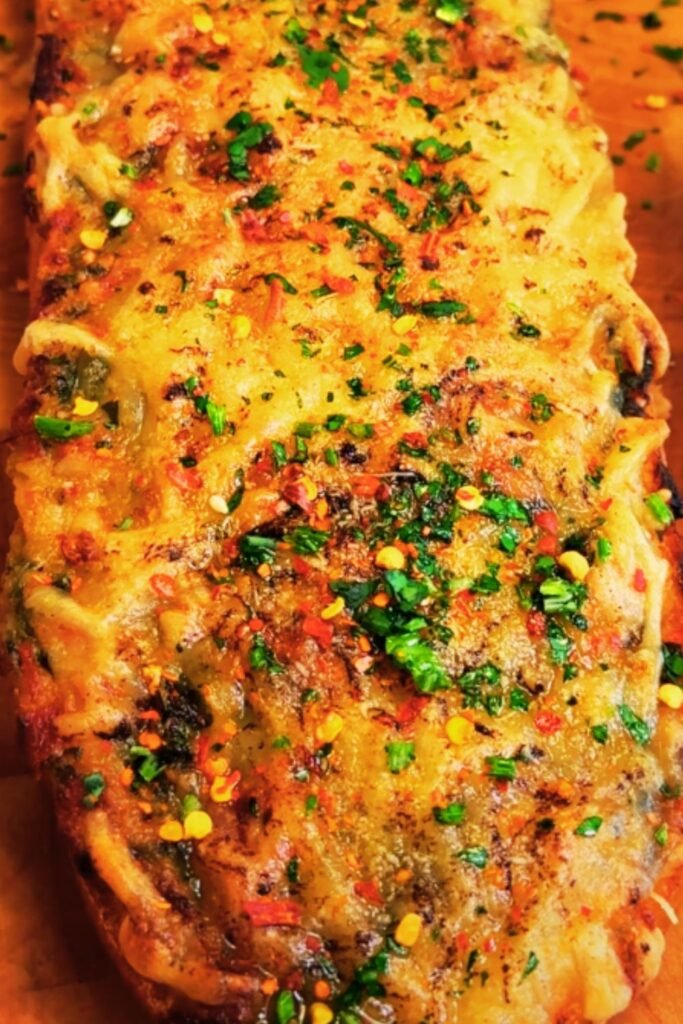
Cheesy Garlic Bread Supreme
This indulgent version adds a gooey, cheesy layer that creates the perfect pull-apart experience.
Ingredients
- 1 French baguette or Italian loaf
- ½ cup (113g) unsalted butter, softened
- 5 garlic cloves, minced
- 2 tablespoons fresh parsley, chopped
- ¼ teaspoon salt
- 1 cup mozzarella cheese, shredded
- ½ cup Parmesan cheese, freshly grated
- Optional: 2 tablespoons chives, finely chopped
Instructions
- Preheat oven to 375°F (190°C).
- Cut bread in half lengthwise.
- Prepare garlic butter as in the classic recipe and spread on both cut sides.
- Mix the mozzarella and Parmesan cheeses together.
- Sprinkle cheese mixture evenly over the buttered surfaces.
- Place bread open-faced on a baking sheet.
- Bake for 10-12 minutes until cheese is melted and bubbly.
- Switch to broil for 1-2 minutes to achieve golden brown spots on the cheese.
- Garnish with chives if desired.
- Slice and serve hot.
Roasted Garlic Bread
This sophisticated version uses roasted garlic for a sweeter, more complex flavor profile.
Ingredients
- 1 whole garlic bulb
- 1 tablespoon olive oil
- ½ cup (113g) unsalted butter, softened
- 1 loaf ciabatta or sourdough bread
- 2 tablespoons fresh herbs (combination of thyme, rosemary, and parsley)
- ¼ teaspoon salt
- Pinch of black pepper
Instructions
- Preheat oven to 400°F (200°C).
- Cut the top off the garlic bulb to expose cloves, place on foil, drizzle with olive oil, and wrap tightly.
- Roast for 30-35 minutes until cloves are soft and golden.
- Allow to cool slightly, then squeeze roasted garlic cloves into a bowl.
- Mash roasted garlic with a fork and mix with softened butter, herbs, salt, and pepper.
- Slice bread horizontally and spread garlic butter mixture generously.
- Reassemble loaf, wrap in foil, and bake at 350°F (175°C) for 15 minutes.
- Unwrap and bake for another 5 minutes for a crispy exterior.
Herb Garden Garlic Bread
This fresh, aromatic version celebrates summer herbs and is perfect alongside grilled meals.
Ingredients
- 1 baguette
- ½ cup (113g) unsalted butter, softened
- 4 garlic cloves, minced
- 3 tablespoons mixed fresh herbs (basil, oregano, thyme, rosemary)
- 1 tablespoon lemon zest
- ¼ teaspoon salt
- 2 tablespoons olive oil
Instructions
- Preheat oven to 375°F (190°C).
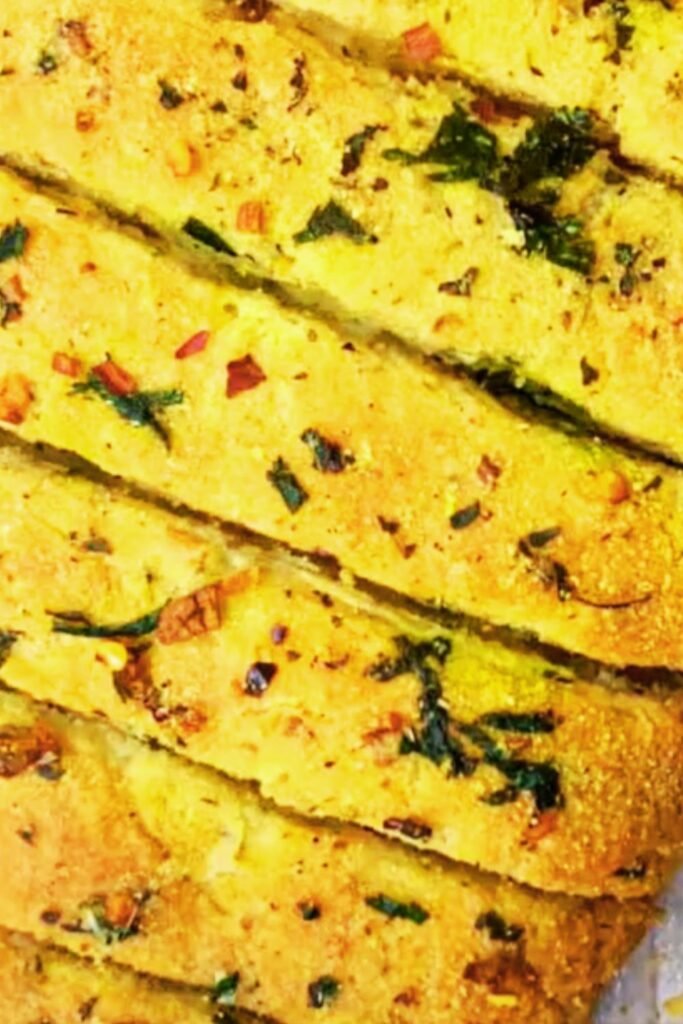
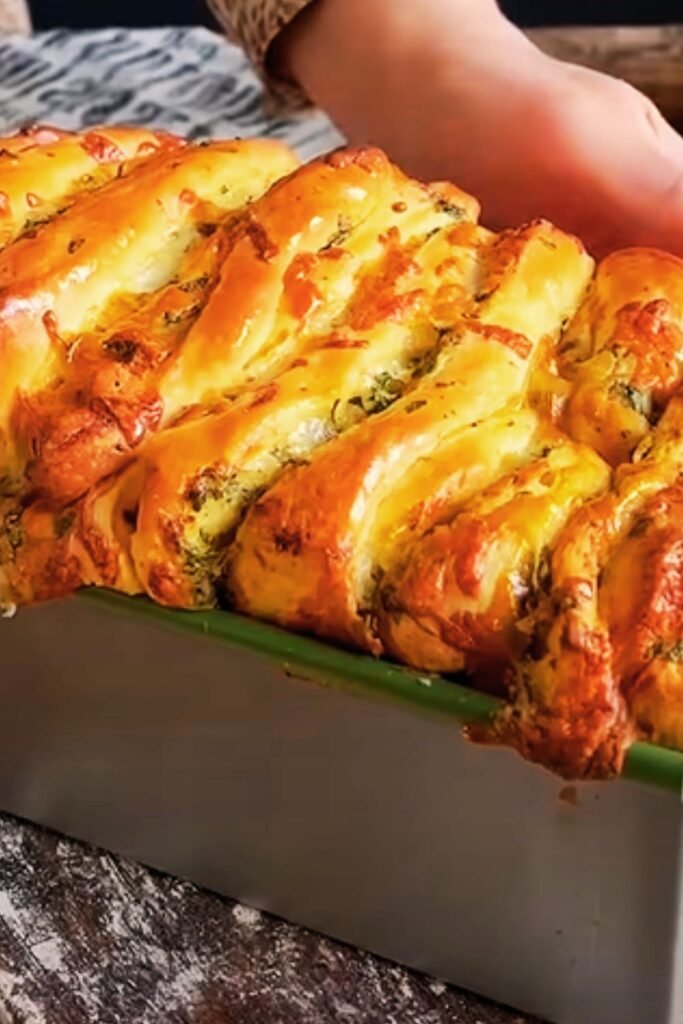
- Slice baguette diagonally into 1-inch pieces without cutting all the way through (accordion style).
- In a bowl, combine butter, garlic, chopped herbs, lemon zest, and salt.
- Using a butter knife, spread mixture between each slice.
- Drizzle olive oil over the top of the loaf.
- Wrap in foil and bake for 10 minutes.
- Unwrap and bake for another 5 minutes until crisp.
Troubleshooting Common Issues
Over the years, I’ve encountered plenty of garlic bread mishaps. Here’s how to avoid the most common problems:
Too Soggy
- Cause: Excess moisture in bread or insufficient heat
- Solution: Toast bread slightly before adding garlic butter; ensure oven is fully preheated
Too Dry
- Cause: Overbaking or insufficient butter
- Solution: Add more butter or reduce baking time; consider wrapping in foil for part of the baking process
Burnt Garlic (Bitter Taste)
- Cause: Raw garlic exposed directly to high heat
- Solution: Mix garlic thoroughly into butter to protect it; reduce oven temperature or broiling time
Uneven Flavor Distribution
- Cause: Hasty preparation or poor mixing
- Solution: Ensure garlic and herbs are finely minced and thoroughly incorporated into softened butter
Make-Ahead and Storage Tips
I often prepare garlic bread in advance for gatherings. Here’s how to manage timing without sacrificing quality:
Make-Ahead Options
- Prepare garlic butter up to 3 days in advance and store refrigerated
- Assemble uncooked garlic bread up to 24 hours ahead, wrap tightly in plastic, and refrigerate
- Freeze fully assembled but unbaked garlic bread for up to 3 months
Reheating Guidelines
- From refrigerated: Bake at 350°F (175°C) for 10-15 minutes
- From frozen: Bake at 350°F (175°C) for 25-30 minutes, then unwrap and bake 5 more minutes for crispness
Storage Best Practices
- Store leftover baked garlic bread in airtight container at room temperature for up to 2 days
- Refresh stale garlic bread by sprinkling with water and reheating at 350°F (175°C) for 5-7 minutes
Perfect Pairing Suggestions
Garlic bread elevates almost any meal, but these pairings create particularly harmonious combinations:
Ideal Companions
- Hearty pasta dishes (spaghetti bolognese, lasagna, fettuccine alfredo)
- Soups (minestrone, tomato, Italian wedding soup)
- Salads (Caesar, caprese, Italian chopped)
- Roasted vegetables (especially with balsamic glaze)
- Grilled chicken or fish
- Charcuterie boards (replace crackers with small garlic bread pieces)
Complementary Flavors
- Tomato-based dishes (the acidity balances the richness)
- Herbs (rosemary, thyme, oregano extend the aromatic profile)
- Aged cheeses (parmesan, pecorino, asiago enhance umami notes)
- Light citrus flavors (balance the garlic intensity)
Health-Conscious Variations
While traditional garlic bread is indulgent, I’ve developed these alternatives for those with dietary restrictions:
Lower-Calorie Option
- Use half the butter and supplement with vegetable stock or olive oil
- Increase herb content for flavor without added fat
- Opt for a thin-sliced whole grain baguette
Vegan Garlic Bread
- Substitute high-quality plant-based butter (I recommend cultured varieties)
- Add nutritional yeast for cheesy flavor without dairy
- Incorporate roasted garlic for depth without additional fat
Gluten-Free Version
- Select a high-quality gluten-free baguette (look for rice flour/tapioca based options)
- Add extra virgin olive oil to compensate for dryness common in gluten-free breads
- Slightly increase garlic content as gluten-free breads often need flavor enhancement
Special Diet Adaptation Table
| Dietary Need | Bread Recommendation | Butter Alternative | Special Considerations |
|---|---|---|---|
| Gluten-Free | Commercial GF baguette or homemade GF bread | Standard butter or plant-based | May need extra moisture; toast before adding toppings |
| Dairy-Free | Regular bread | Plant-based butter, olive oil | Add nutritional yeast for umami flavor |
| Vegan | Vegan-friendly bread (no honey/milk) | Plant-based butter, olive oil | Nutritional yeast adds cheesy notes |
| Low-Carb | Almond flour bread, cloud bread | Regular butter, ghee | Requires gentler heating; browns faster |
| Low-Sodium | Regular bread without added salt | Unsalted butter | Increase herbs and spices for flavor |
| Low-Fat | Regular bread | Reduced amount of butter + vegetable broth | Brush lightly rather than spreading thickly |
Professional Chef Techniques
After years of experimentation, I’ve adopted these professional techniques that make a noticeable difference:
Compound Butter Preparation
Create garlic butter 1-2 days in advance to allow flavors to meld. Roll into a log using parchment paper, refrigerate, then slice as needed.
Double-Toasting Method
- Lightly toast bread before adding garlic butter to create structure
- Add garlic butter and toast again for perfect texture contrast
Broiler Finesse
Position rack 6 inches from broiler and rotate bread every 15-20 seconds for professional-level even browning.
Butter Temperature Control
Let butter fully reach room temperature (65-67°F) for optimal spreading consistency without tearing bread.
Seasonal Twists
I love adapting garlic bread to the changing seasons:
Spring
- Add fresh chives, dill, and lemon zest
- Pair with spring vegetable soups
Summer
- Incorporate basil, parsley, and a touch of mint
- Grill instead of bake for smoky notes
- Serve alongside summer tomato salads
Fall
- Add sage, thyme, and a touch of nutmeg
- Pair with roasted squash dishes or hearty stews
Winter
- Incorporate rosemary, thyme, and a pinch of warming spices
- Serve with rich braises and holiday roasts
Q&A Section
Q: Why does my garlic sometimes turn blue or green when making garlic bread?
A: This is a natural chemical reaction between compounds in garlic and certain acids or minerals. When garlic enzymes interact with amino acids and traces of copper, iron, or sometimes acidic ingredients, they can produce blue or green pigments. It’s completely harmless and doesn’t affect the taste, though it can be prevented by briefly cooking the garlic before mixing it with other ingredients.
Q: How can I get that restaurant-quality garlic bread at home?
A: Restaurant garlic bread often relies on three key techniques: using high-quality butter with at least 82% fat content, creating a perfect butter-to-garlic ratio (approximately 2 tablespoons butter to 1 clove garlic), and applying heat in stages—first to infuse flavors in wrapped foil, then finishing under a broiler for perfect browning. Also, many restaurants add a small amount of very finely grated parmesan to their garlic butter.
Q: Can I use garlic powder instead of fresh garlic?
A: While fresh garlic provides the best flavor, garlic powder can work in a pinch. Use 1/8 teaspoon garlic powder for each clove of fresh garlic called for in the recipe. For better results, consider using granulated garlic rather than powder, as it provides more texture and a flavor closer to fresh garlic. Remember that the flavor profile will be different—less bright and complex, but still garlicky.
Q: My garlic bread always seems to get too dark on the outside before the inside warms up. How can I fix this?
A: This is a common issue with high-sugar bread varieties or when using the broiler. Try this two-stage approach: first bake the garlic bread wrapped in foil at 350°F for about 10 minutes to warm it through, then unwrap and broil just for 1-2 minutes to get that golden top. Always keep a close eye on bread under the broiler, as it can go from perfect to burnt in seconds.
Q: What’s the best way to store leftover garlic butter?
A: Garlic butter can be stored in the refrigerator for up to 1 week or frozen for up to 3 months. For refrigerator storage, keep it in an airtight container. For freezing, shape the butter into a log using parchment paper, wrap tightly in plastic wrap, then place in a freezer bag. Slice off rounds as needed. Some people prefer to freeze garlic butter in ice cube trays for convenient portioning.
Q: Is there a way to reduce the intensity of raw garlic flavor?
A: Absolutely! For a milder garlic flavor, try one of these techniques: roast the garlic cloves until soft and caramelized before mixing with butter; blanch peeled garlic cloves in boiling water for 30 seconds before mincing; or sauté minced garlic in a little butter until fragrant but not browned before adding to the remaining butter. Each method tames the sharpness while preserving garlic’s wonderful flavor.
Final Thoughts
Great garlic bread is more than just a side dish—it’s often the first thing to disappear from the table. The beauty of this classic lies in its simplicity and versatility. Whether you prefer it soft and buttery or crisp and cheesy, there’s a version that can complement almost any meal.
Over the years, I’ve found that garlic bread is as much about the experience as it is about the taste—the anticipation as the aroma fills your kitchen, the satisfying crunch of that first bite, and the way it brings people together around the table. It’s humble food elevated to something truly special through attention to detail and quality ingredients.
I hope these recipes, techniques, and troubleshooting tips help you create garlic bread memories in your own kitchen. Remember that the best garlic bread is the one that makes you and your loved ones happiest—so don’t be afraid to adjust, experiment, and make these recipes your own.
